
I’ve written much about how investing today isn’t the same as in previous decades. And it’s not just because of the technology. So much has changed, from domestic fiscal policy to geopolitical risk and every shift affects how you build your portfolio.
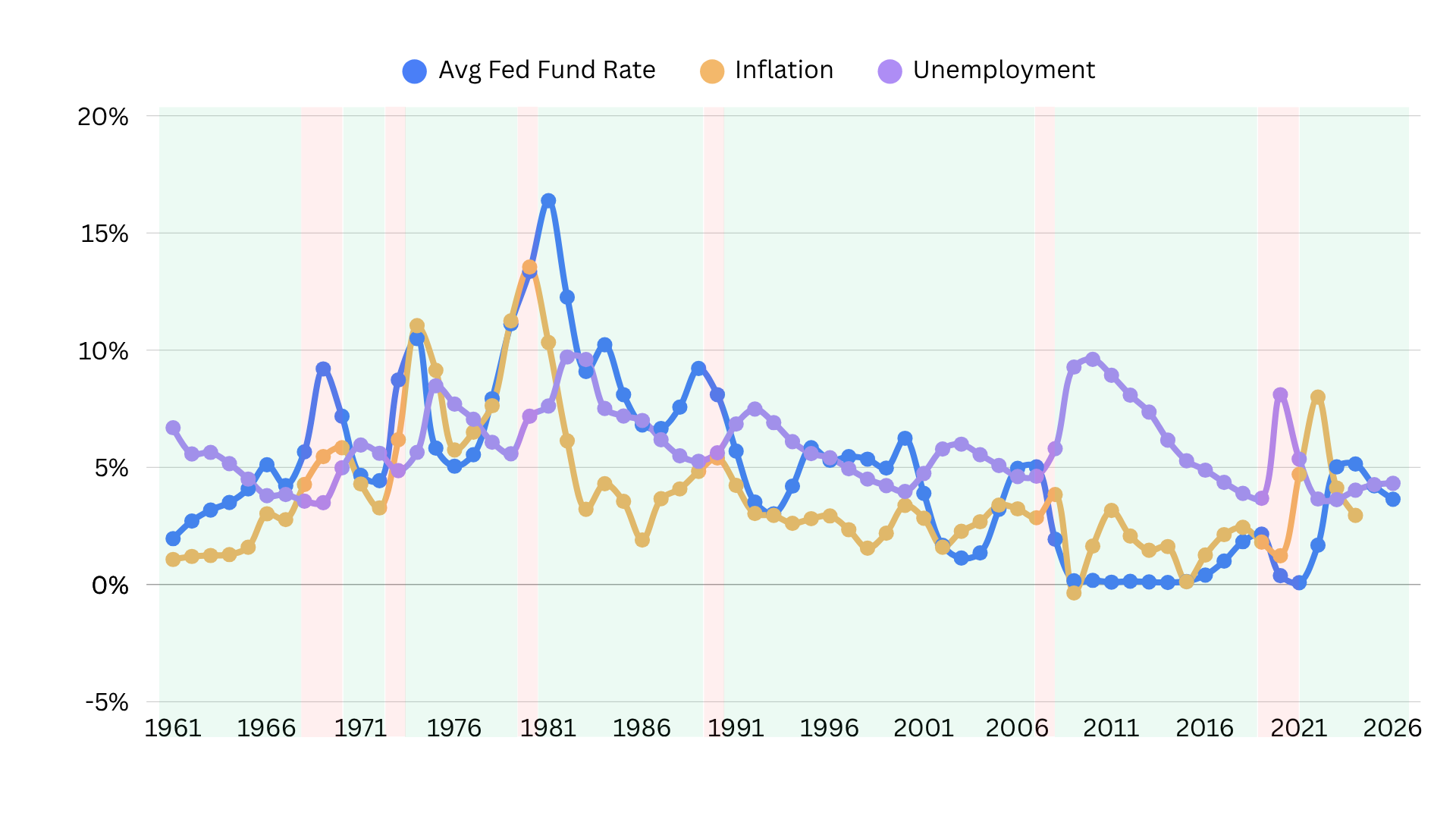
I’ve written about interest rates before, but they are in the news again. And, to be honest, the link between interest rates and the economy are not always clear if you don’t live and breathe economics.

Social security averages your income over your working life and distributes that amount to you. But how much you get depends on when you file your social security claim.

General financial advice rarely overlaps with individual portfolios. I imagine that Americans see the need for a deeper understanding of the markets and financial planning.

It’s easy to think about legacy planning late in life.

